
Understanding the Basics of Bluffing
Bluffing is a cornerstone strategy in poker that revolves around the art of deception, convincing your opponents that you possess a stronger hand than you actually do. To master this technique, it is essential to have a solid grasp of both the game mechanics and the nuances of human psychology. Many players enjoy exploring the best online casino in australia where they can practice these skills, as a well-executed bluff can dramatically shift the dynamics in your favor, but it is a double-edged sword that must be wielded with precision and care. Misreading the situation or overusing bluffs can lead to swift retribution from astute opponents who recognize your tactics.
The timing and position of your bluff are critical elements to consider. Players seated in late positions often have a wealth of information about their opponents‘ actions, making them ideal candidates for executing a bluff. In contrast, those in early positions face a higher risk of being called, as more players are yet to act, leading to a potential disaster. This strategic aspect emphasizes the need to read the table dynamics and the tendencies of your opponents to become a successful bluffer.
Another vital consideration is the concept of bet sizing. The amount you choose to wager plays a significant role in the believability of your bluff. A bet that is too small may invite calls from opponents, as they could interpret it as a lack of confidence in your hand. Conversely, a bet that is too large may raise suspicion and alert players to your intentions. Finding the sweet spot in bet sizing is crucial for making your bluff convincing and maximizing your chances of success.
Recognizing When to Bluff
Successful bluffing extends beyond the mere mechanics of betting; it hinges on your ability to identify the right moment to strike. Solid players can discern weaknesses in their opponents‘ behaviors, such as indecisiveness or a lack of aggression, which serve as indicators of vulnerability. Recognizing these tells allows you to capitalize on the uncertainty of others, setting the stage for a well-timed bluff that can force them to fold.
The texture of the community cards is another significant factor in determining whether to bluff. If the board presents cards that suggest a strong hand is plausible, it creates an opportune moment to bluff. For instance, if there are multiple high cards or suited connectors on the board, opponents are more likely to be cautious, fearing that you may have a winning combination. Conversely, if the board features low and disconnected cards, players may be less inclined to fold, making your bluff less effective.
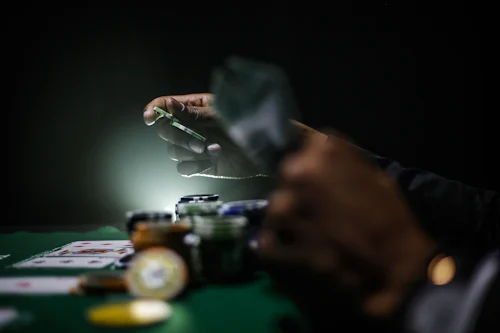
Your table image is also pivotal in deciding when to bluff. If you have been playing conservatively and suddenly make a significant bet, opponents may be more inclined to believe that you hold a strong hand. However, if you’ve established a reputation for being loose and aggressive, your bluffs may be met with skepticism. Adjusting your playing style to align with your image is a strategic advantage that can help you identify the best moments to bluff effectively.
The Psychology Behind Bluffing
The psychological dynamics of poker are integral to the bluffing process. Understanding how your opponents think and react under pressure can enhance your bluffing strategies. Different players have varying risk tolerances, and some are more prone to folding than others. By assessing their comfort levels, you can determine optimal moments to initiate a bluff that may compel them to relinquish their hands.
Your own psychological state is equally important when bluffing. Confidence can be contagious; if you project a strong sense of self-assuredness, your opponents are more likely to buy into your fabricated strength. This confidence can significantly sway their decisions, making them more prone to folding even if they hold a decent hand. Cultivating a calm and collected demeanor can be a game-changer at the poker table, allowing you to execute bluffs with greater success.
The art of deception is at the heart of successful bluffing. You must convince your opponents that you are not bluffing, which frequently requires a keen understanding of body language and facial expressions. The subtle cues you emit can either bolster your bluff or expose it. Practicing control over these signals can amplify your effectiveness as a bluffer, ensuring that your actions align with the narrative you aim to portray.
Strategies for Successful Bluffing
Developing a strategic framework for bluffing can significantly enhance your poker game. One effective strategy involves the use of semi-bluffs, where you place a bet on a hand that is not currently strong but has the potential to improve. This approach serves a dual purpose: it allows you to gain value if your hand develops and applies pressure on your opponents to fold weaker holdings. Understanding when to transition from a bluff to a legitimate bet is crucial for maximizing your chances of success.
Another essential strategy is to vary the frequency of your bluffs. If you become too predictable in your bluffing patterns, opponents may be able to call or fold based on your previous actions. By interspersing genuine plays with your bluffs, you create an element of uncertainty that keeps opponents guessing. This unpredictability can enhance your table image and increase the effectiveness of both your bluffs and your legitimate bets.
Finally, it is crucial to stay attuned to the flow of the game and adapt your strategies accordingly. If you observe that players are becoming more conservative, it may be an ideal time to unleash your bluffs, as they may be less inclined to call. Conversely, if players are aggressive and frequently calling, it might be wise to exercise caution. Being aware of these shifts in behavior will allow you to adopt a more dynamic approach to your bluffing tactics, ultimately increasing your success rate.
Your Resource for Learning Poker Bluffing Techniques
For those eager to delve deeper into the art of bluffing and enhance their poker skills, a wealth of resources is available to aid in your journey. Engaging with professional poker literature, instructional videos, and online forums can provide valuable insights from seasoned players. These platforms often feature discussions on bluffing strategies, offering a treasure trove of information to draw upon as you refine your techniques and develop your poker prowess.
Moreover, practical experience is invaluable when it comes to honing your bluffing skills. Regular participation in poker games—whether online or in-person—allows you to experiment with your bluffing strategies in real time. The lessons learned from actual gameplay will solidify your theoretical knowledge and help you implement your strategies more effectively under pressure. Each session presents a new opportunity to analyze your play and grow as a poker player.
Finally, consider seeking coaching or mentorship opportunities to further accelerate your understanding of bluffing nuances. Learning from experienced players can help you avoid common pitfalls and refine your approach to bluffing. A mentor can provide personalized feedback, enabling you to focus on specific areas for improvement and develop a tailored strategy. By leveraging the available resources and guidance, you can master the art of bluffing and elevate your game to new heights in casino poker settings.